How to Leave Furniture in Student Housing Rooms Legally and Safely
When moving out of student housing in Sweden, many tenants face the same question: what should happen to furniture left inside the room?
Some students want to leave behind useful items such as beds, desks, chairs, lamps, or shelves for the next tenant. In many cases, the incoming tenant may also agree to keep and use those items instead of forcing the previous tenant to remove everything.
However, you should never leave furniture inside a student housing room without proper written agreement and approval from the housing management.
The safest and most common way to do this is by using a Liability Form or Furniture Agreement Form.
This document officially transfers responsibility for the furniture from the outgoing tenant to the incoming tenant.
Why a Furniture Liability Form Is Important
Student housing providers in Sweden usually require rooms to be returned in their original condition when tenants move out.
If furniture is left behind without permission:
- The housing office may remove the items
- Cleaning or disposal fees may be charged
- The outgoing tenant may lose part of their deposit
- The incoming tenant may face confusion about responsibility
Using a written liability form helps avoid disputes between:
- The outgoing tenant
- The incoming tenant
- The housing management
It also creates a clear paper trail showing that both tenants agreed to the arrangement.
What Is a Liability Form?
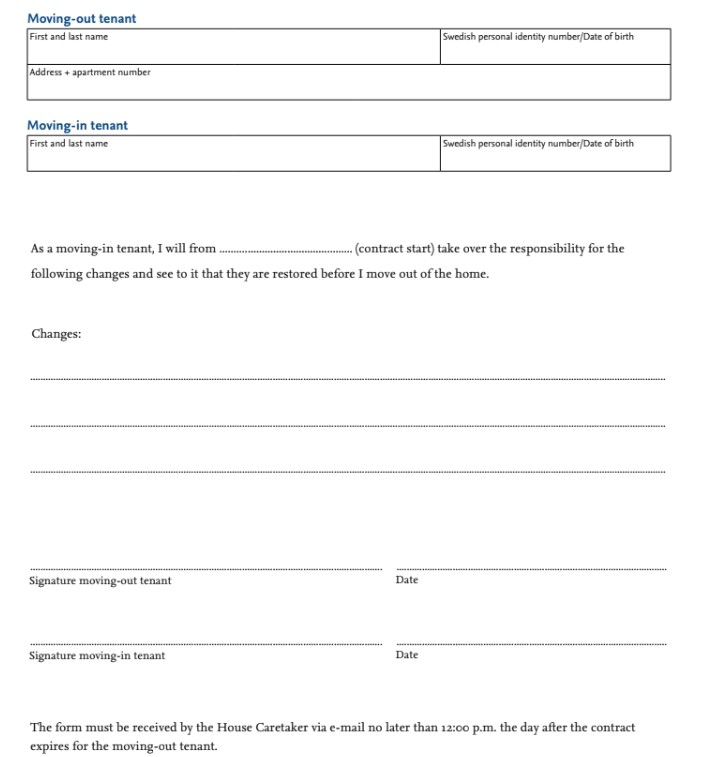 Furniture liability form used in SSSB student housing to document responsibility when leaving furniture in the room.
A liability form is a document where the incoming tenant accepts responsibility for furniture or items left behind in the room.
The agreement usually states:
- Which items are being left
- Who is responsible for them
- When responsibility begins
- What happens if the items are not removed later
Importantly, this type of form usually transfers responsibility, not ownership.
That means the incoming tenant agrees to take care of the items during their tenancy period, but the furniture may not legally become their property unless a separate sale or ownership transfer agreement exists.
Information Usually Included in the Form
A standard furniture liability form often includes information about both tenants.
Moving-Out Tenant Information
The outgoing tenant usually provides:
- Full name
- Swedish personal identity number or date of birth
- Current address
- Apartment or room number
Moving-In Tenant Information
The incoming tenant usually provides:
- Full name
- Swedish personal identity number or date of birth
- New address or room number
Responsibility Statement
The form often contains a statement similar to:
“As the moving-in tenant, I will from the contract start date take over responsibility for the following items left in the room by the moving-out tenant.”
This confirms the transfer of responsibility.
List All Furniture Clearly
Every item should be described carefully.
Examples include:
| Item | Example Description |
|---|---|
| Bed Frame | IKEA MALM single bed frame |
| Desk | White study desk with drawer |
| Chair | Black office chair |
| Lamp | Standing floor lamp |
| Shelf | Wooden bookshelf |
It is also recommended to include:
- Item condition
- Approximate value
- Photos of each item
- Date of photos
Photos are extremely helpful if disagreements happen later.
Terms and Responsibilities
Most forms also include conditions such as:
- The incoming tenant accepts responsibility for maintenance
- The housing provider is not responsible for item damage
- The tenant must remove the furniture before moving out
- Disposal costs may apply if items are abandoned
This protects both the housing office and the previous tenant.
Send the Form to Housing Management
 Sending the liability form to housing management at SSSB for processing.
After both tenants sign the document, it should be sent to the student housing management office.
This step is very important.
Without official acknowledgment, the housing provider may still consider the furniture unauthorized.
What to Include When Sending the Form
Usually, tenants should send:
- Signed liability form
- Item photos
- Inventory checklist
- Any related email conversations
A clear email subject line helps the housing office process the request faster.
Example:
“Liability Form: Furniture Left in Room — Apartment 302”
Ask for Written Confirmation
Always request written acknowledgment from the housing office.
This helps confirm:
- They received the documents
- They accept the arrangement
- No additional conditions are required
Saving these emails can be very useful later.
Digital Signatures Are Usually Acceptable
If tenants cannot meet in person, many housing providers accept:
- Scanned signatures
- Digitally signed PDFs
- Signed photos of the document
However, rules may vary depending on the housing provider.
Keep Copies of Everything
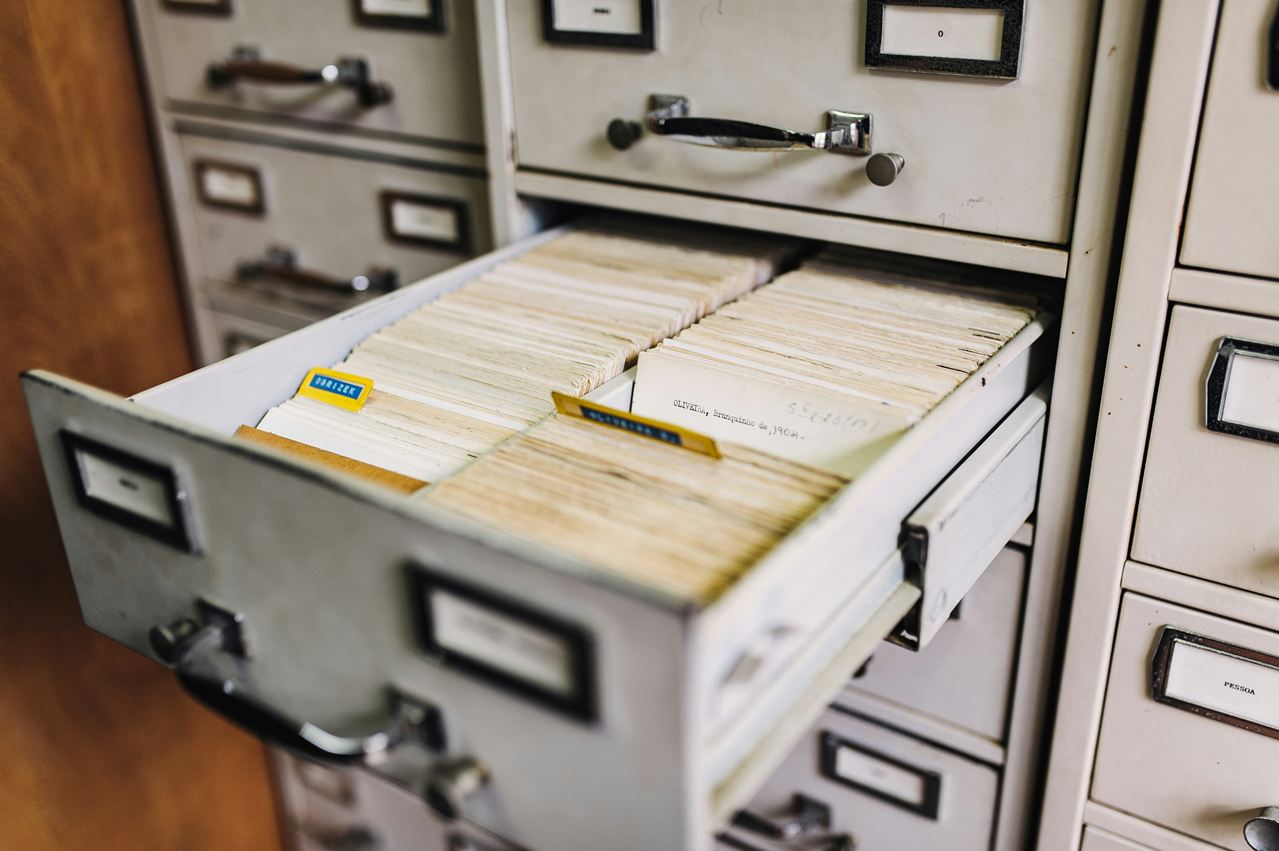 Keep copies of all documents for your records when dealing with SSSB housing procedures.
Both tenants should save:
- The signed form
- Photos of items
- Housing office emails
- Agreements about the furniture
This helps avoid misunderstandings during future inspections or move-outs.
Important Tip for Valuable Furniture
If the furniture has significant financial value, tenants should consider creating a separate:
- Sale agreement
- Ownership transfer document
- Payment receipt
A liability form alone usually does not transfer ownership rights.
Example Email to Housing Management
Here is a simple example message students often use:
“Hello,
Please find attached the signed liability form regarding furniture left in room 302. The incoming tenant accepts responsibility for the listed items. Photos and item descriptions are included. Please confirm receipt and let us know if additional information is required.
Kind regards.”
Final Thoughts
Leaving furniture inside student housing rooms can be practical and helpful for both outgoing and incoming tenants, especially in cities like Stockholm where student moves happen frequently.
However, it is important to handle the process properly using a written liability form and official approval from the housing management.
Clear documentation, detailed item descriptions, photos, and written acknowledgment can help avoid unnecessary disputes, cleaning fees, or responsibility problems later.
For both tenants, a little paperwork now can prevent major headaches in the future.